


Tracking Opioid Settlement Spending in Texas
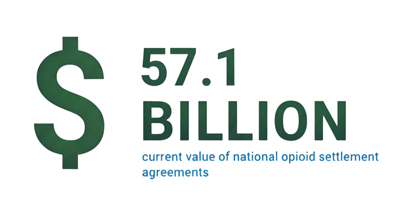
From 1999 to 2023, more than 800,000 opioid-related overdose deaths occurred in the United States. National settlement agreements with pharmaceutical manufactures, drug distributors, and pharmacy chains for their involvement in the overdose epidemic currently total over $57 billion, with more expected in the future.
As a party to these national settlements, Texas is set to receive approximately $3.3 billion over 18 years. Of this total, 15% is distributed directly to Texas cities and counties. Importantly, local governments are not restricted in how they spend these settlement funds, nor does state law require them to report how the funds are distributed.
The Baker Institute Drug Policy Program analyzed expenditures from 21 Texas cities and counties to evaluate how local governments are using these dollars. This project adds to similar efforts across the U.S. to promote transparency in the use of opioid settlement funds.
The Drug Policy Program’s interactive dashboard, “Opioid Settlement Expenditures in Texas,” provides a detailed account of how each jurisdiction is spending these settlement funds. A discussion of the dashboard’s methodology is also included.
Summary of Findings
- The 21 Texas localities included in this analysis received an estimated combined total of $60.8 million in fiscal years 2023 and 2024 (Figure 1).
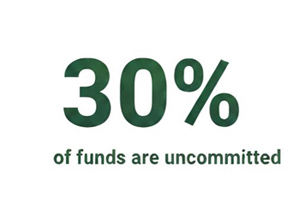
- Of the total funds, 30.2%, or $18.4 million, are not committed to any purpose.
- Treatment programs and services represent the largest spending category with 27.6%, or $11.5 million, of committed funds.
- Recovery programs account for 19.3% of committed spending, while prevention initiatives account for 10.6%.
- Harm reduction measures account for 7.4% of these expenditures, and law enforcement and legal system uses comprise 5.7%.
- Roughly 3% represent nondrug-related uses, while 4.7% constitute administrative costs.
Figure 1 — Settlement Expenditure by Category, FY 2023–24
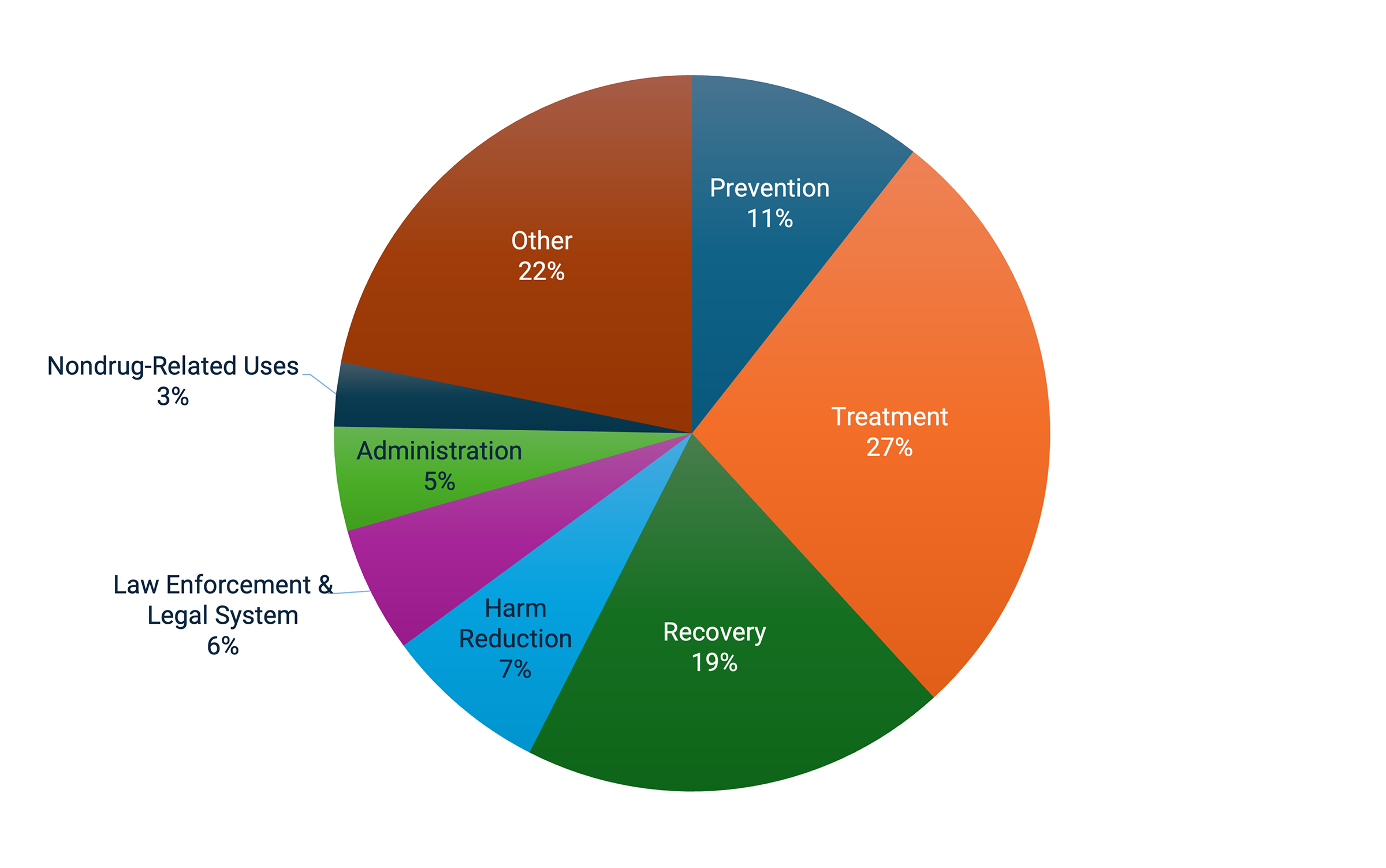
Note: This chart represents committed funds only.
Main Takeaways
- Most jurisdictions provide little transparency on how opioid settlement funds are spent. Currently, only the city of Fort Worth provides an easily accessible webpage with detailed spending information. Some jurisdictions included references to expenditures in annual budget documents, but this information tended to be incomplete, unclear, or difficult to locate. Although reporting on these expenditures is not required, the scale of harm caused by the overdose crisis — and the absence of direct compensation to individual victims — creates a strong case for clearer, more accessible public reporting.
- Local government spending strategies vary widely. Some localities focused on one or two targeted areas, while others dispersed funds more broadly. For example, Bexar County spread funds across prevention, treatment, recovery, harm reduction, and specialty drug courts. Montgomery County devoted nearly all funds to technology that assists law enforcement in identifying drug activity. Dallas County committed nearly $7 million to toxicology upgrades — an investment that spans prevention, treatment, and law enforcement.
- Public officials often face trade-offs when allocating settlement dollars. Settlement payments are frequently unpredictable in both timing and amount, often arriving mid-fiscal year. As a result, jurisdictions are pressed to balance short-term needs, such as naloxone distribution, against longer-term investments, such as residential recovery program expansions. Sustainability is also a concern. As one local government official explained, “We don’t want to get into a situation where the county becomes dependent on services, opioid money is not available, and we don’t have the general fund dollars.” Smaller jurisdictions with fewer resources may be especially constrained in their ability to create sustainable substance use programming.
- Nearly a third of settlement dollars remain uncommitted, mirroring national trends. These uncommitted funds may reflect strategic planning for future spending, delays due to data collection, or lack of immediate plans to invest in overdose remediation. Harris County and the city of Amarillo, for example, reported no active budget for allocation of settlement funds.
- Some jurisdictions collaborate to maximize the impact of settlement dollars. Because allocations are heavily based on population, most funding is concentrated in Texas’ largest metropolitan areas, where many jurisdictions share borders. In this analysis, 19 of the 21 jurisdictions overlap or adjoin, at least, one other. In some cases, local governments have coordinated investment strategies, as seen in the collaborations between Bexar County and the city of San Antonio and between Travis County and the city of Austin. Officials from these areas emphasized the benefits of partnership: sharing data and resources, identifying community needs, leveraging expertise, and aiming to complement rather than duplicate investments.
- Identifying local drug use trends and community needs is a critical first step for investing settlement funds. Drug patterns vary across Texas, requiring tailored responses. In several counties, more drug-related deaths now result from stimulants than opioids, which calls for strategies beyond naloxone distribution. Some jurisdictions, such as the city of El Paso, have delayed committing funds until they can collect more data to understand community needs. Others, including the city of Houston and Dallas County, are directing funds toward data infrastructure. Community input also plays an important role. Travis County officials highlighted listening sessions with people who use drugs and the providers who serve them as essential for shaping spending decisions.
Need for Transparency and Sustainability
Opioid settlement dollars offer an opportunity to reduce drug-related harms. They also present a challenge to determine how to address a region’s specific needs effectively. Most Texas jurisdictions have invested in, at least, one national priority area — prevention, treatment, recovery, or harm reduction — but nearly one third of these funds remain uncommitted.
Reserving funds for future spending can be sensible, but this approach should be balanced against the urgency of the overdose crisis. Local governments should weigh immediate needs, such as naloxone distribution, against longer-term investments, such as recovery infrastructure and treatment capacity. At the same time, current settlement payments will continue for years, and additional agreements are expected to occur. The likelihood of future funds creates a critical window for governments to learn from early investments, refine strategies, and improve outcomes.
Transparency and accountability are essential to ensure opioid settlement funds reduce drug-related harms. As the largest recipients of settlement compensation, public entities in Texas and across the U.S. have a duty to use these funds responsibly and to report their expenditure decisions clearly to the public. Effective use of these dollars requires engaging affected communities, gleaning insights from early investments, and committing resources to efforts that reduce drug-related deaths, addiction, and long-term harm.
This publication was produced on behalf of Rice University’s Baker Institute for Public Policy. Wherever feasible, the material was reviewed by external experts prior to its release. Any errors are the responsibility of the author(s) alone.
This material may be quoted or reproduced without prior permission, provided appropriate credit is given to the author(s) and Rice University’s Baker Institute for Public Policy. The views expressed herein are those of the individual author(s) and do not necessarily represent the views of Rice University’s Baker Institute for Public Policy.


