


Introduction
The term “habitability” describes the sociocultural, economic, and environmental factors that shape the suitability of a place to support human life and livelihoods — factors that are all at risk due to compound impacts of climate change. Experts have well established that the rising incidence and intensity of extreme climate events, such as floods, storms, droughts, and wildfires, are increasingly rendering physical spaces “uninhabitable.” Some scholars argue that increasing uninhabitability, accelerated by climate change, will escalate displacement globally.
Some cyclical and human-made causes notwithstanding, the rapidly advancing field of attribution science allows researchers to more precisely pinpoint the role of climate change in accelerating the incidence and intensity of extreme weather events. Such findings include that warming air and sea temperatures are fueling meteorological events, such as floods, storms, and wildfires, and have accounted for 90% of disasters over a 10-year average.
Recently, a panel of two dozen scientists concluded that the impacts of Hurricane Helene, which struck the southeastern U.S. in October 2024, were intensified by climate change, as warming ocean waters led to approximately 10% more precipitation and winds 13 mph stronger than that of a similar storm in cooler conditions. In addition to the rapidly evolving meteorological disasters, slow-onset events also increasingly threaten the livability of populated areas around the world. Other sophisticated models tracking climate change’s effects project further drastic declines in water security, agricultural productivity, and heat survivability.
What remains less understood, however, is why extreme weather and degrading environmental conditions do not affect all people equally. Why are some individuals among the tens of millions displaced annually by meteorological disasters, while others refuse to leave despite the mounting risk?
To answer these questions, this policy brief articulates the following to analyze the multiple human and environmental dimensions of habitability:
- Why the concept of “habitability” is vital to understanding the impacts of climatic changes and events.
- How extreme weather events’ financial and human costs are distributed across nations and populations of different economic statuses.
- How increasingly difficult living conditions, attributable to climate change, influence population movements in both wealthy and disadvantaged communities around the world.
- Why contextualizing population movements through climate change patterns as well as structural and household-level inequalities is critical to policy considerations.
- How specific policy approaches can enhance resilience and reduce displacement risks by attending to the intersectional as well as locally and socially differentiated factors comprising habitability.
What Is Habitability?
The concept of “habitability” is gaining traction in climate and environmental studies as it explores the intersection of population movements related to climatic events and environmental degradation more broadly, which are intrinsically linked to socioeconomic factors and cultural norms. A deeper understanding of the complex motivations driving affected populations to move or remain in the face of climate change helps decision-makers consider human behavior when drafting and implementing policies. Additionally, habitability declines are especially relevant to understanding how migration and displacement patterns are shaped by gradually developing climate-related risks and changes, such as increasing temperature, irregular rainfall patterns, sea-level rise, ocean acidification, soil salinization, loss of biodiversity, desertification, and environmental degradation more broadly.
The answer to why adverse climate change-related events do not affect all people equally is complex. Intersecting social, economic, and cultural factors shape human behavior and decisions and are also embedded within larger systems of structural inequality. The extent of devastation wrought by extreme weather events reveals national and local capacities, such as readiness, infrastructure quality, and — critically — household-level attributes, such as income and other resources.
Thus, climate change-related events coupled with structural inequality often lead to disproportionate impacts on impoverished and marginalized people. At the same time, the migration of people as a result of sudden-onset extreme events is known to vary widely across socioeconomic groups, as seen in the United States following the 2024–25 wildfires in Southern California and Hurricane Katrina in 2005. Identifying the speed and point at which people are driven to relocate due to extreme weather events is a multicausal and complex endeavor.
Within the larger framework of habitability, a greater attention to the accumulation of climate change-related events, as well as local factors, is critical to contextualizing and understanding migration tipping points. In this framing, a social tipping point or critical threshold for habitability is the point at which marginal changes in a socio-ecological system prompts a disproportionate response, such as in out-migration rates, which can lead to a reconfiguration of the system as a whole. A greater understanding of habitability thresholds will support governments’ and their partners’ efforts to minimize or avoid forced population movements related to climate change and help foster the conditions for people to adapt and build resilient infrastructures and resource access in their home areas.
Who Bears the Cost of Extreme Weather Events?
The Financial Cost
While the common perception that climate change’s most severe impacts are concentrated in lower-income countries holds true in population terms, the tens of thousands of people suddenly forced to flee their homes due to the wildfires within and surrounding Los Angeles serve as a stark reminder that even some of the wealthiest communities in the world are not immune to natural force majeure.
On the national level, the financial burden of disasters tends to be highest in wealthier countries. According to Munich Reinsurance Company (Munich Re) and the U.N. Office for Disaster Risk Reduction (UNDRR), high-income countries incur the greatest absolute financial losses from extreme weather events due to the high value of affected assets and infrastructure. North America experienced the highest economic losses globally in 2023, totaling $160 billion U.S. dollars — 40% of worldwide disaster-related losses — with $100 billion of those losses covered by insurance. The majority of economic losses stem from major weather events, which accounted for 76% of all disaster-related financial losses in the year.
Wealthier populations and businesses have greater access to financial protections such as insurance. For example, in 2023, $67 billion in disaster-related financial losses were insured in North America, Central America, and the Caribbean — the costliest of which included $10 billion of the total insured costs and were produced by two severe thunderstorm fronts that struck the Midwest and Texas — compared to only $1 billion in Africa, which accounts for less than 7% of the total measured losses for the region.
Indeed, low-income countries tend to bear significant burdens from disasters. In 2022, disaster-related economic losses accounted for 0.83% of the GDP of low- and lower-middle-income countries. This is more than double the global average of 0.37% recorded between 2015 and 2022. Yet, even these figures may still have data gaps and underestimate the true scale of losses.
By comparison, the disaster preparedness and response mechanisms of countries with lower GDP tend to be more vulnerable than their higher GDP counterparts, leading to higher mortality rates and longer-lasting economic and social disruptions.
The Human Cost
The human cost of disasters is disproportionately borne by low-income countries. A quarter of all disaster displacements in 2023 occurred in countries ranked as “very high risk” to humanitarian crises and disasters, according to INFORM Risk Index’s assessments. Thus, each extreme weather event can easily overwhelm the national response capacity of lower-income countries.
Figure 1 — Maasai Elder Demonstrates a Cow Enclosure for Wildlife Protection
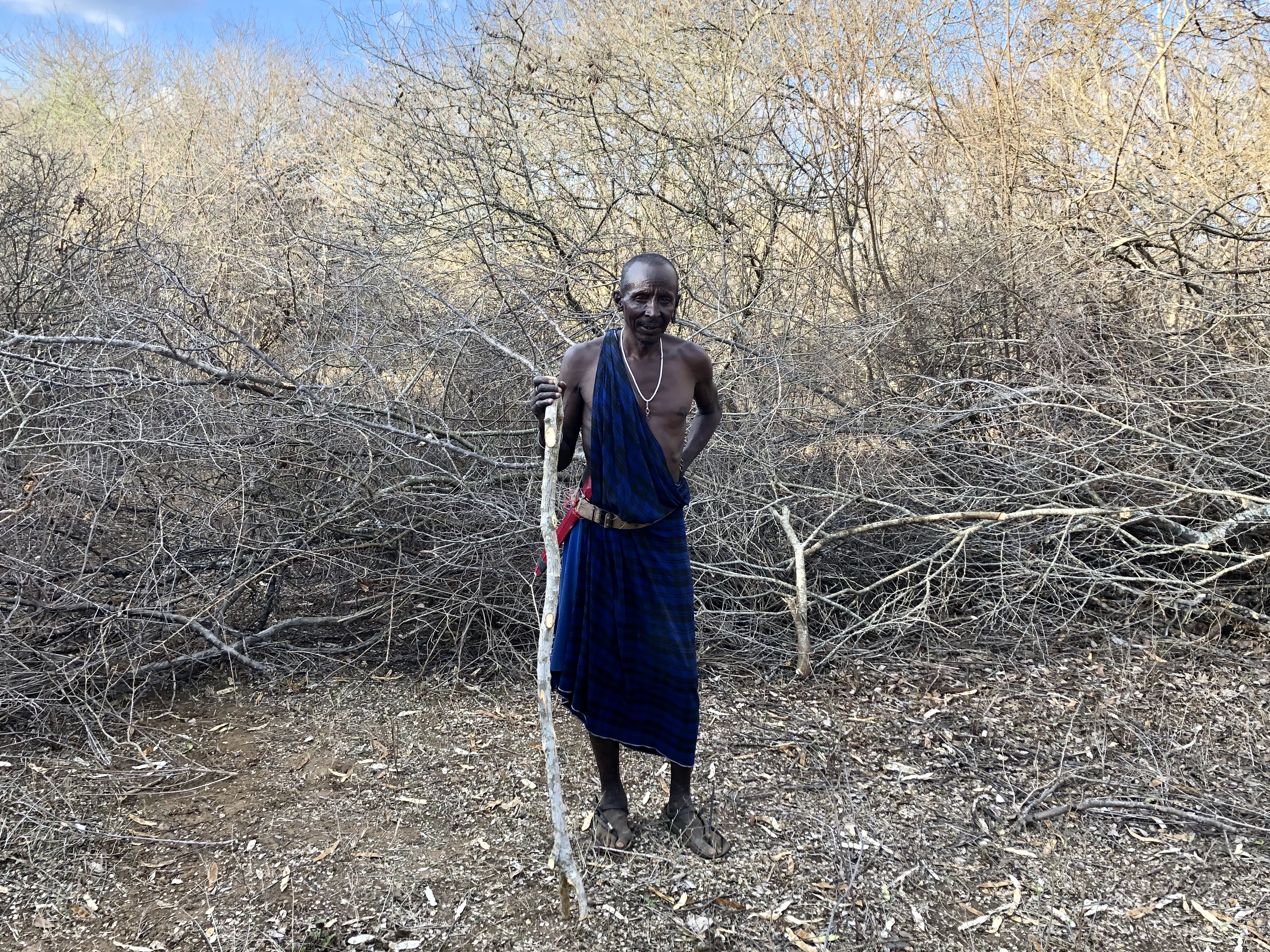
Note: Maasai elder demonstrates a cow enclosure, built using local brush, which protects cows from wildlife, such as lions. “Is not a good thing to move during drought, but you must in order to save your cows. Nowadays, I am moving them more often,” he says.
Climate change exacerbates these disparities. While not all extreme weather events are directly linked to climate change, meteorological disasters, such as floods and storms, account for 90% of all natural disasters and drove 73% of disaster-related displacements — meaning recorded occurrences of people forced to flee — in the latest annual data. Weather-related hazards prompt an average of 21.9 million internal displacements each year worldwide across a 10-year average. Notably, 38% of all disaster displacements, including geophysical hazards, occurred in countries with the highest vulnerability to climate change and the least capacity to adapt, as measured by the Notre Dame Global Adaptation Initiative (ND-GAIN) Country Index. This index assesses national adaptive capacities, the proportion of the population sensitive to climate shocks, and exposure to climate change from a biophysical perspective.
The unequal burden of climate-related disasters is further reflected in global responsibility for emissions. The world’s top historical emitters, predominantly high-income countries, are also among those best prepared to manage climate impacts.
Wealthier countries generally provide stronger social safety nets, public services, and legal protections that aid recovery. In contrast, lower-income populations — both within and across countries — face greater vulnerability due to limited financial resources, vulnerable governance structures, and fragile social systems. All of these factors compound disaster risks and contribute to displacement.
The Internal Displacement Monitoring Center (IDMC) recorded 26.4 million disaster-related displacements in 2023 alone, outweighing new displacements due to conflict and violence. Countries outside the Organization for Economic Cooperation and Development (OECD) comprised all but five of the 25 most affected nations, and about one in four of all global disaster displacements in the year occurred in low-income countries, according to IDMC. A significant portion of disaster displacements in the year occurred in middle-income countries, particularly due to events, such as Cyclone Freddy and Cyclone Mocha. That year also saw some of the largest disaster displacements in high-income countries, including wildfires, storms, and floods in Canada, Greece, the U.S., and New Zealand. Some 45% of recorded disaster-related displacements occurred in high- and upper-middle-income countries. China, Brazil, and India, for example, ranked among the top 15 countries for disaster-related displacement, as #1, #9, and #14, respectively. The same countries were also placed in the top five for GDP, as #2, #7, and #5, respectively.
Importantly, official disaster statistics underrepresent the full scope of losses, as reporting biases tend to favor large-scale, economically devastating events in countries with better reporting capacities. However, smaller, slow-onset disasters, such as repeated or prolonged droughts, also accumulate significant but often overlooked costs. While disaster-related mortality has notably declined in recent decades — largely due to international aid and disaster risk reduction efforts — the number of people displaced by disasters continues to rise, particularly among lower-income populations.
These patterns illustrate the stark inequalities in disaster exposure, resilience, and recovery at the society-wide, macro-level. While disasters impact all countries, those with fewer financial, institutional, and social resources are disproportionately affected, both in terms of human loss and long-term socioeconomic consequences. Addressing these disparities effectively requires integrating climate adaptation with broader efforts to reduce social and economic vulnerabilities before, during, and after these weather events.
Figure 2 — Tin Roof on a Mud Brick Home in Central Tanzania
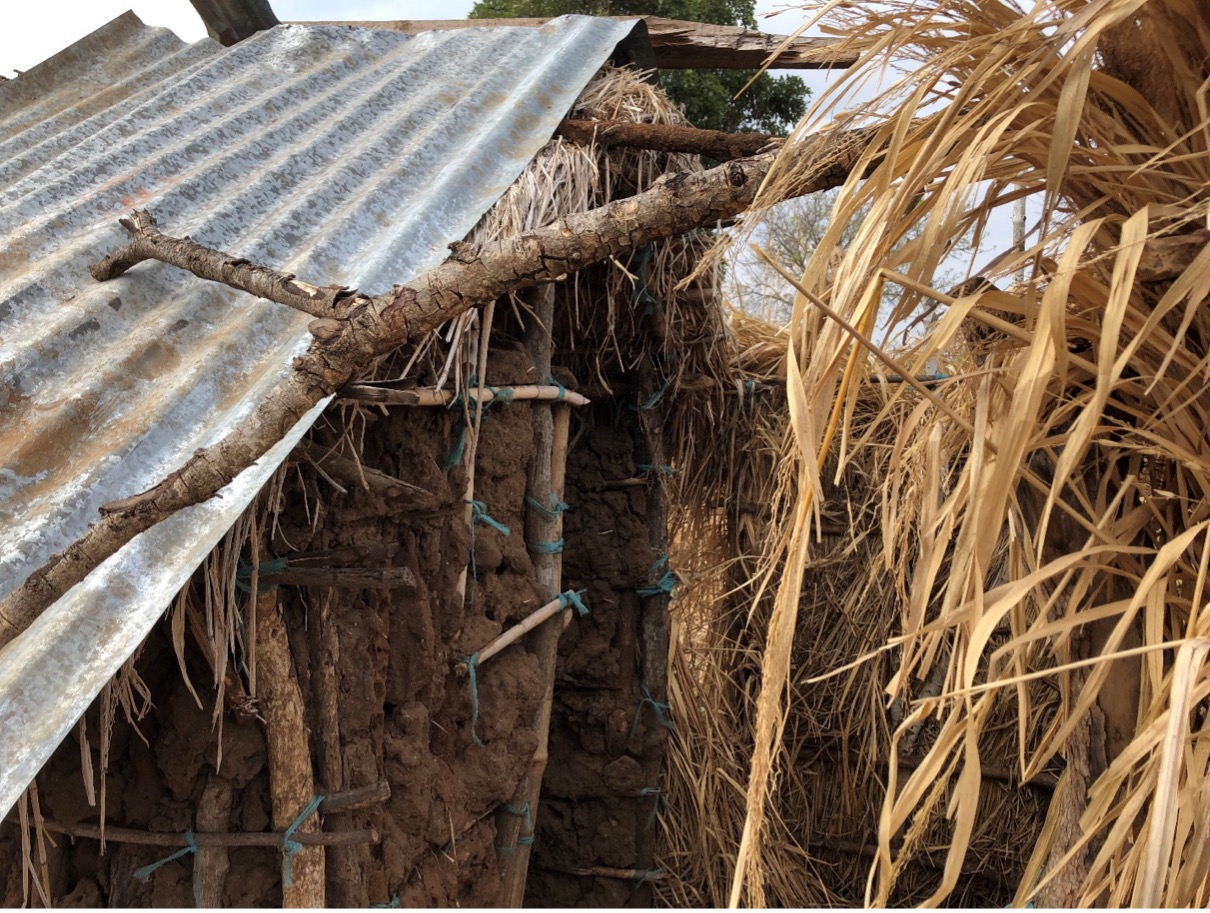
Note: A tin sheet roof adds extra rain protection to a mud brick and straw-thatched home of a sedentary farmer in central Tanzania.
Structural and Household-Level Inequalities and Climate Mobility
While global inequalities predominantly drive disparities across disaster impacts, inequalities within a country itself are also meaningful. Structural inequalities based on socioeconomic status, gender, age, health — e.g., households with disabled or infirm members — and immigration status can severely limit a household’s ability to cope in the short term and adapt over time to extreme weather events.
In high-income nations, which should have strong crisis response capacities, disaster-related fatalities still disproportionately affect low-income as well as racial and ethnic minority households. For example, a study of 67 countries published in Nature Sustainability in 2023 found that flood-related deaths are significantly linked to household low-income status, even when accounting for a country’s population size and per capita GDP. This underscores that, even in middle- and high-income nations, local disparities in wealth, power, and access to resources determine who is most at risk.
In addition to higher mortality rates due to extreme weather events, families with fewer financial, social, and political resources tend to evacuate later and return home more slowly after disasters, and then face extended and more difficult recoveries. During Hurricane Katrina, many people who required government evacuation assistance were relocated to Houston’s shelters and other distant locations with little social support. Of those relocated, more than 90% were reported to be African Americans, and 60% of this population’s households were of low-income status. By 2009, nearly 69% of white residents had returned to New Orleans, compared to only 40% of Black residents.
How Rural Communities Face Heightened Vulnerabilities
While household-level inequities affect populations in both high- and low-income countries, rural communities with underdeveloped infrastructure and resource access tend to experience significant inequalities as well along with gaps in response capacity. Rural households across the globe often have low financial integration, little government or nongovernment organization support, and limited social safety nets that would allow them to manage with disruptions and changes. Many rural families depend on community-based networks and practices, such as collectively covering funeral expenses or providing care for ill family members.
Unfortunately, environmental and climate-related crises tend to disrupt these formal and informal community cooperative structures as compared to non-environmental shocks. Since climate events affect large geographic regions and families within that regional and social system simultaneously, collective practices of care and support are diminished. Moreover, coupled with the sudden-onset events of floods and storms, the erosive nature of slow-onset, climate change-related effects, such as sea-level rise and environmental degradation — within larger processes of globalization — have been observed to diminish traditional risk management strategies and resilience structures practiced by rural societies worldwide.
Migration Motivations and Climate Change
The use of voluntary migration as a household insurance or risk reduction strategy in response to structural equalities and the asymmetrical weight of climate change is well documented in migration and development literature. Migration can financially aid households in the following ways:
- Alleviate resource pressure on households at origin areas.
- Spread risk spatially by placing household members in different locations.
- Diversify sources of livelihoods through wages and remittances.
Much of the literature specifically focused on climate-related migration conceives of climate change as having a primarily indirect impact on migration trends, as scholars stress the complex, multicausal nature of individuals’ decisions concerning migration. Individual factors that might dictate migration propensity, such as entrepreneurship and personal merit, are mediated by household and community contexts, such as social or cultural norms and values.
For example, research in dryland areas of Northern Ethiopia deemed climate change a “second order” driver of migration, as findings noted that weather impacts on household agricultural production is only indirectly related to food security and out-migration for certain household profiles. For many of the Ethiopian farmers and households studied, the availability of alternative coping mechanisms — such as off-farm work, livestock sale, or aid — and the cultural acceptability of working-age men to migrate are among the key determinants of migration probabilities.
Research on U.S.-bound migration from dryland regions of Mexico demonstrates similar results for people with limited livelihoods diversity, showing that the migration propensities for low-income households in dry regions tripled during drought. Another study concludes drought-related migration may represent as much as a third of all historical migration from Mexico to the U.S. between 1970 and 2009. Additionally, another study from 2024, covered by AP News, concluded that extreme weather events, such as lengthy droughts and extensive rainfall, significantly factor into Mexican migrants’ motivations to enter the U.S. Findings such as these have significant public policy implications, suggesting that actions such as the Trump administration’s dismantling of foreign aid projects designed to help Central Americans withstand extreme weather at home are likely to ultimately drive increased migration to the U.S.
Much of the research on climate-migration linkages addresses the gradually developing environmental changes and events that add to migration pressures, and considers the choice to migrate as one management strategy among many. However, the reality of runaway climate change calls into question the reliability of previous understandings of migration systems, particularly in rural areas with high sensitivity to climate and environmental shifts. For households that practice subsistence agriculture, climate variability and extreme weather events directly affect the agrarian household economy.
Figure 3 — Dry Season Cow Enclosure in Northern Tanzania
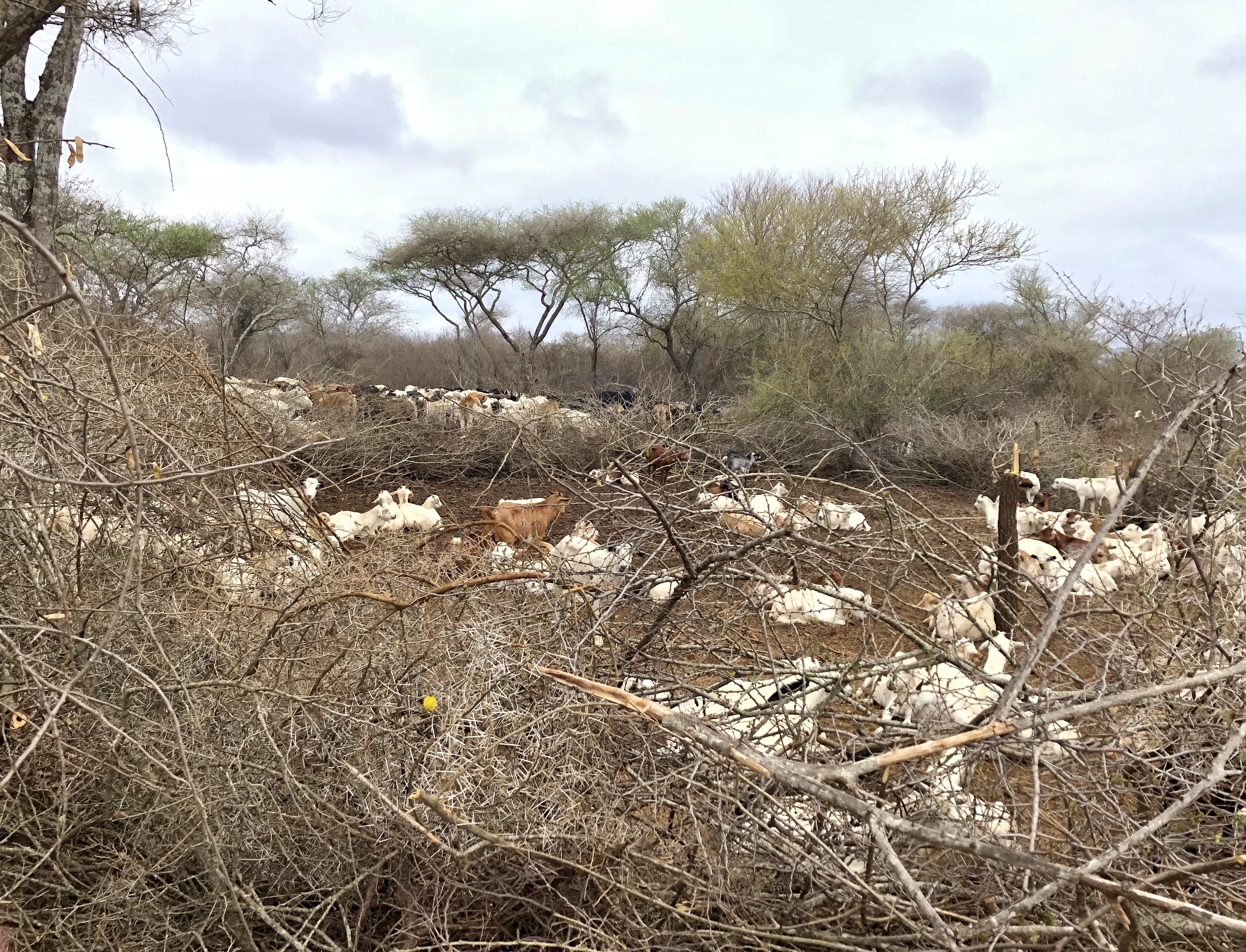
Note: In the dry season in Northern Tanzania, livestock herders must move their animals frequently to find pasture and water. Enclosures made from dry brush help keep the livestock safe from wildlife and cattle rustlers.
Tipping Points for Physical Uninhabitability
Researchers have begun to question whether voluntary migration can remain adaptive as extreme meteorological events’ full scale and severity become clearer and as climate change’s unprecedented, nonlinear impacts are now regularly observed. Significantly, scientists found that the global climate system may pass “climate tipping points” at which major shift changes in Earth systems would occur. One example is the cessation of the Atlantic Meridional Overturning Circulation (AMOC) that is a system of ocean currents partly dictating the intensity of rainfall, hurricane winds, persistent droughts, and heatwaves in North America and Europe. Surpassing climate tipping points, such as the potential collapse of Arctic Ocean’s winter sea ice, are irreversible and will have global implications.
Some areas of the world may therefore possibly tip into large-scale physical uninhabitability, leading policy actors to question if this would precipitate nonlinear increases in migration rates. Former U.S. Vice President Al Gore speaking on the urgent risk of “unlivable conditions” and climate migration at the annual meeting of the World Economic Forum on Jan. 22, 2025: “Relatively small areas [of the Earth] are in the ‘unlivable’ category now, but they’re growing. And if we do not start reducing emissions, we could see within 50 years very heavily populated areas becoming physiologically unlivable with a huge increase in the flow of climate migration across international borders.”
To move toward actionable policy proposals, decision makers should invest in understanding what defines habitability, as well as when and by whom habitability thresholds are surpassed.
Social Differentiation of Habitability and Migration Thresholds
As in situ adaptation measures face challenges, gradual environmental changes can push communities toward tipping points that make out-migration practically inevitable, as noted by scholars. Over time, some families lose the ability to decide whether to rebuild or relocate after each new extreme weather event, as their capacity to recover erodes. Consequently, while migration may be an effective form of managing for some groups — under positive and increasingly rare circumstances — for others, migration cannot remedy the preconditions that placed them in a critical situation. Because migration requires large personal, social, and financial costs, it can then lead to increased vulnerabilities and a poverty spiral, reducing the adaptive capacities of the household as a whole. In short, some households reach the limits to adaptation.
Generations of scholars have documented what they termed “survival migration” or “refugee-like” conditions to describe people fleeing life-threatening situations – such as environmental collapse, state fragility, or livelihood insecurity – but who fall outside formal refugee protections afforded by the widely-radified 1951 Refugee Convention. On the ground, the conditions of people displaced by environmental factors are often practically indistinguishable from the often narrowly-defined conventional refugee situations. Complementary forms of protection such as humanitarian visas are available in some countries to fill international protection gaps, but vary widely from one jurisdiction to another. When options to adapt become as constrained as one’s environmental, social, and economic conditions, it is worth asking: Does migration remain a choice, or is it potentially becoming an imperative to survive?
A recent study examining the effects of “environmental and non-environmental shocks” over time demonstrates that migration decisions are shaped by cumulative climate change-related and socioeconomic stressors rather than single events. Household resources are gradually depleted by repeated and co-occurring both environmental and non-environmental shocks, sustaining migration probabilities over time. Migration propensities often persist for years after environmental disturbances occur — particularly among rural, remote groups dependent on subsistence agriculture — indicating that many families require time to prepare for migration. Alternatively, while some may initially subsist in place, the latest in a series of extreme weather events can propel them beyond a threshold where migration becomes necessary.
How Voluntary Migration Can Become Maladaptive
Place attachment, notions of belonging, and adaptation limits’ roles in relation to climate change and migration stressors cannot be overemphasized. Place attachment and notions of belonging refer – in short, also detailed below – to the meanings that individuals ascribe to a human-inhabited place that directly influence behavioral intentions, including migration. Many affected households strive to adapt in place despite severe livelihood stress. The widely publicized stories of flood victims in Kentucky as well as in the experiences of Pacific Island communities advocating for the right to remain in dignity speak to the peoples’ resilient commitment to their land and cultural significance associated with it. Deep attachment to ancestral land and cultural identity offers an explanation as to why some people oppose relocating, even in the face of mounting climate risks.
However, research in fragile environments suggests that once adaptation falters or a tipping point is reached, migration becomes the primary adaptation strategy for a significantly larger share of households. Identifying habitability thresholds that drive migration remains a complex and evolving practice, increasingly discussed in climate negotiations and policy arenas.
While researchers have yet to identify universal factors that define migration tipping points at large geographic scales, studies in different contexts consistently show that impoverished and marginalized groups cross thresholds for uninhabitability earlier than their better-resourced counterparts. In other words, migration tipping points are socially differentiated.
Despite important contextual differences in these study areas, ethnographic research in India, Peru, and Tanzania highlights that thresholds of habitability vary across socioeconomic strata within the same community. Households with lower socioeconomic status and limited government assistance are less able to recover from environmental shocks as well as non-environmental shocks, such as job loss, and are thus more likely to be displaced when they experience new extreme weather events or other sudden changes to their livelihood.
This evidence challenges the distinction between forced and voluntary migration in the context of climate change. While low-income families often prefer to use other management strategies over migration, they face individual tipping point events that leave them with little to no alternatives. Some people find migration to be maladaptive: for example, migrant men who experience unsafe living and working conditions in jobs such as illegal logging, charcoal production, or artisanal mining. For such people, migration may perpetuate cycles of debt and vulnerability. Other vulnerable household members — especially women, people with disabilities, and older individuals — face forced immobility, remaining behind in deteriorating conditions while higher-status members can more easily evacuate or relocate.
These findings suggest that habitability may be better understood at the household or individual level, rather than through the larger scales commonly used in migration models. The limits to adaptation are shaped by pressures at community or local level — where social, economic, and institutional factors intersect — rather than solely by broad environmental changes.
Because migration is a social phenomenon, perceptions of climate impacts rather than objective climate indicators heavily influence individuals’ decisions. People’s responses to gradually worsening conditions depend on their past experiences with climate events and their socially informed understanding of environmental changes occurring around them. Studies comparing local perceptions of temperature and rainfall with meteorological data reveal that subjective experiences of climate do not always align with scientific observations. This underscores the importance of integrating Indigenous and local knowledge into research and policy, as these perspectives substantially shape how people interpret climate risks and decisions to migrate.
Including Habitability in Climate-Related Migration Models
Gaps in Quantitative Climate-Related Migration Models
Despite an increasing number of studies, the empirical literature attempting to quantify the relationship between environmental events and migration is inconclusive. Empirical evidence fails to support concerns over mass international migration in the context of climate change. The literature overall is mixed, demonstrating that climate change-related events’ positive and negative relations to international out-migration are regionally and seasonally dependent.
Given these contingencies, quantitative models of displaced populations in the context of climate change, which focus on the carrying capacity of a space, are therefore unable to accurately project climate-related population movements over relevant time scales. These scientific limitations of global models for displacement are acknowledged by the U.N. Intergovernmental Panel on Climate Change (IPCC) for their “insufficient available evidence,” and some of the most-cited models are widely debunked by migration scholars, who illustrate that they have limited application to concrete and timely policy action.
Moreover, some accounts of mass climate migration can contribute to polarized discourse and have been linked to anti-migration violence and ethnocentrism. Nevertheless, these mass climate migration models remain widely used as policy tools, despite their critical gaps and lack of nuance.
Importance of Habitability-Inclusive Models
The more sophisticated models available today are grounded in principles from social science and the experiences of affected people, helping scholars and policymakers consider a range of possible futures by exploring systems dynamics and testing theories or potential policy effects.
Social scientists emphasize how people’s daily habits and experiences shape their perceptions of habitability, as seen in the distinction between space — a geographically centered concept — and place, which is human-centered. While the historical and philosophical definitions of habitability have evolved, more recent scholarly approaches move beyond considering only the physical environmental, instead focusing on the human meanings embedded in places. Social scientists approach habitability by also considering how places are subjective spaces embedded with human meaning and agency.
Places are closely tied to Indigenous and local knowledge and the sense of belonging, defining the very fabric of individual community’s socio-ecological systems. The distinction between space and place helps identify factors important to people’s perceptions of habitability — and, by extension, when they perceive a place as uninhabitable. The preservation of cultural heritage, identity, and spiritual artifacts, for example, can also affect a person’s attachment to a place — a critical indicator of habitability and migration that quantitative models may not fully capture.
Sociocultural values play a significant role in the perceived loss of habitability and are closely tied to concerns about intergenerational equity and social resilience. Many people consider migrating from their ancestral land as a last resort. In regions with customary land tenure, climate change-related relocations can have lasting negative impacts on social cohesion. Even after decades, relocated communities may still face intractable, multigenerational conflicts such as land disputes.
Moreover, voluntary migration often benefits wealthier households with more mobility options, exacerbating intergenerational and within-country inequalities. New research on climate mobility suggests that as out-migration increases over time, households in rural areas that receive remittance from relocated members are better positioned to invest in education and resources, compared to those with fewer mobility options. As a result, voluntary climate-related migration can widen local socioeconomic gaps over time. These dynamics should be carefully considered when designing climate resilience measures to avoid reinforcing existing inequalities.
Policy Implications and Recommendations
This brief argues that research and policy should account for the intersectional and locally as well as socially differentiated factors that shape habitability, as this focus can capture the diversity of community experiences and responses. Adaptation thresholds are dynamic, shaped by the complex interactions of external and internal pressures over time. While observed changes in migration and displacement in some areas can serve as indicators that habitability thresholds have been exceeded, important community narratives and research exist that complicate how migration tipping points are often identified.
As habitability can generally not be assessed across large geographic areas, large-scale projections are often insufficient for measuring habitability or predicting so-called mass migration, as the heuristics behind these models often lack sociocultural integration and local context. Policy planning should include scholarly and political nuance through qualitative research and locally-grounded knowledge rather than solely large-scale global climate-related migration models that frequently lack these details.
In particular, scholars often point to local contexts and emphasize the multicausality of human mobility decisions, while de-emphasizing the role of climate change as an accelerator of existing migration pressures and pathways. Although this perspective is important, this type of thinking may prove to be too linear. In a world with an increasingly risky climate, underemphasizing climate change’s impact on human mobility would also be a disservice to affected populations. Further, specific areas of the world are rapidly becoming uninhabitable, and mobility emerges as one of the few options left to some vulnerable groups.
Across the world, detailed analyses demonstrate that limited provisions in national laws specifically address the distinct dimensions of climate-related migration and displacement. Policy attention to this issue, embedded within much more significant climate change mitigation and adaptation measures more generally, will be needed in the coming years to avert an increased likelihood of more places surpassing habitability thresholds that would precipitate forced out-migration.
Policies and funding streams should consider the following actions to expand local and global climate change mitigation and adaptation strategies:
- Address the root causes of socioeconomic and environmental vulnerabilities contributing to climate-related migration and displacement, such as underdevelopment, remoteness, and lack of support (e.g., aid, insurance, or social safety nets), particularly in rural areas.
- Open additional, targeted funding avenues to address climate-related migration and displacement, complementing existing adaptation funds as well as economic and non-economic loss and damage funds.
- Support participatory approaches and policy approaches that include voices of migrants, displaced persons, and Indigenous communities, with a focus on community-led efforts managing these challenges and the potential adverse impacts of mobility limitations and displacement.
- Enhance the adaptive capacities of areas receiving migrants and strengthen conflict mediation and resolution systems in these regions.
- Improve planning and infrastructure in migrant destination areas, particularly urban centers, to support their ability to cope with climate impacts and thrive as socioeconomically diverse communities.
- Include a climate-related migration lens in different levels of governance, particularly in immigration and asylum laws and policies, but also in disaster risk reduction and management, climate change adaptation strategies, and sustainable development plans more generally.
- Improve monitoring and evaluation of progress towards these goals by specifically including a climate-related migration lens in national and subnational adaptation plans, plus in Nationally Determined Contributions to the U.N. climate convention.
Altogether, policies should approach climate-related migration through the lens of habitability by increasing development and adaptation mechanisms in origin areas, promoting more equitable access to resources and opportunities for all, and reducing inequalities within and across countries — many of which are exacerbated by migration and displacement.
This publication was produced on behalf of Rice University’s Baker Institute for Public Policy. Wherever feasible, the material was reviewed by external experts prior to its release. Any errors are the responsibility of the author(s) alone.
This material may be quoted or reproduced without prior permission, provided appropriate credit is given to the author(s) and Rice University’s Baker Institute for Public Policy. The views expressed herein are those of the individual author(s) and do not necessarily represent the views of Rice University’s Baker Institute for Public Policy.


