


Author(s)

Introduction
Social, political, economic, and environmental changes have led to rapid urbanization and expansion of cities in Arab Middle East and North Africa (MENA) countries, creating new opportunities, along with challenges, in the development and sustainability of cities. Emerging economic sectors in transportation, infrastructure services, and information and communication technologies will play a vital role in confronting the challenges — which include environmental risks, lack of financial and natural resources, and social disparity in urban areas.
The trend toward developing smart sustainable cities (SSCs) is neither a luxury nor an option: It is a basic requirement to support growth and prosperity while addressing natural and anthropogenic risks. Smart sustainable cities can ensure high efficiency in the consumption of resources, enhance production and production quality across all economic sectors, and absorb and mitigate risk impacts.
This brief highlights the issues facing some Arab MENA countries in developing efficient sustainable cities, including illiteracy, poor infrastructure, inefficient governance, and conflicts. If basic needs — such as survival, safety, and security — are not met, the priorities of climate change, energy transition, and sustainable urban development shift for these countries.
What Is a Smart Sustainable City?
The concept of a smart sustainable city (SSC) is subject to ongoing debate. Approaches vary depending on an economy’s maturity (developed or developing), urban conditions, and specific priorities of the countries or cities involved. In general terms, to be an SSC, a city must:
- Possess advanced mobile communication platforms that provide fast and efficient commercial processes and transactions, health care, and education services, and should facilitate the management, operation, and monitoring of facilities using smartphone technology.
- Prioritize the well-being and comfort of their residents with effective systems for residential buildings, transportation, health care, and security.
- Place particular importance on the environment by focusing on clean systems for energy production, efficient consumption of resources, and waste recycling.
Varying Definitions
Numerous attempts have been made to define what constitutes a smart sustainable city. The following examples are from a variety of sources — private sector institutions, international organizations, and individual countries:
- Cisco — Using digital technology to “connect, protect, and enhance the lives of citizens.”[1]
- European Union — Developing traditional networks and services to be “more efficient with the use of digital solutions for the benefit of its inhabitants and business.”[2]
- South Korea — Improving the quality of life for citizens and enhancing the sustainability of new cities and industries by taking advantage of innovative technologies in the era of cyber-physical systems.[3]
- United Arab Emirates — Utilizing “information and communication technologies and other means to improve quality of life, efficiency of urban operation and services, and competitiveness, while ensuring that [they meet] the needs of present and future generations” as to economic, social, and environmental concerns.[4]
- United Nations — Utilizing information and communication technologies to “stimulate inclusive growth, promote social inclusion, decrease traffic congestion, combat crimes, improve resilience during natural disasters and reduce greenhouse gas emissions.”[5]
General Concept of an SSC
The several SSC definitions presented above share three main features:
- Central focus on the human element.
- Utilization of information and communication technology.
- Social and economic benefits.
From these definitions, a general concept of an SSC emerges: an innovative city that uses information and communication technologies to improve quality of life, efficiency of operation and urban services, and competitiveness. It ensures the economic, social, and environmental needs of current and future generations.
An SSC depends on a smart base including:
- An informed and educated population.
- Smart systems for mobility.
- Efficient economic structure and governance.
- Healthy lifestyle and environment.
These components are all connected through the exchange of data and information, which can be exploited intelligently to ensure optimal use of resources and improve performance.[6]
Motivations for Developing Sustainable Smart Cities
Four main motivations drive the establishment and development of SSCs:
- Improving the effectiveness of government administration in providing public services.
- Improving the quality of life for residents.
- Enhancing governance.
- Caring for vulnerable and disadvantaged groups of the population.[7]
In the Arab MENA region, the key issues motivating SSCs are the increasing population, rising energy and resource consumption, accelerating pressure on infrastructure, and growing negative environmental impacts.
Demographic and Economic Statistics
Here are a few demographic and economic statistics to keep in mind, as of the end of 2022:
- The population of Arab countries reached approximately 465 million. The annual population growth rate in the past two decades was 1.8%. It is expected that the population will reach about 576 million by 2035.
- Urban inhabitants are about 60% of the total population, with an annual growth rate of 2.2%. The urban population in the region is expected to rise from 279 million today to about 362 million by 2035.
- The region’s gross domestic product (GDP) was $3.54 trillion and its average growth was 6.0% over the past two decades.[8]
Energy Consumption and Demand
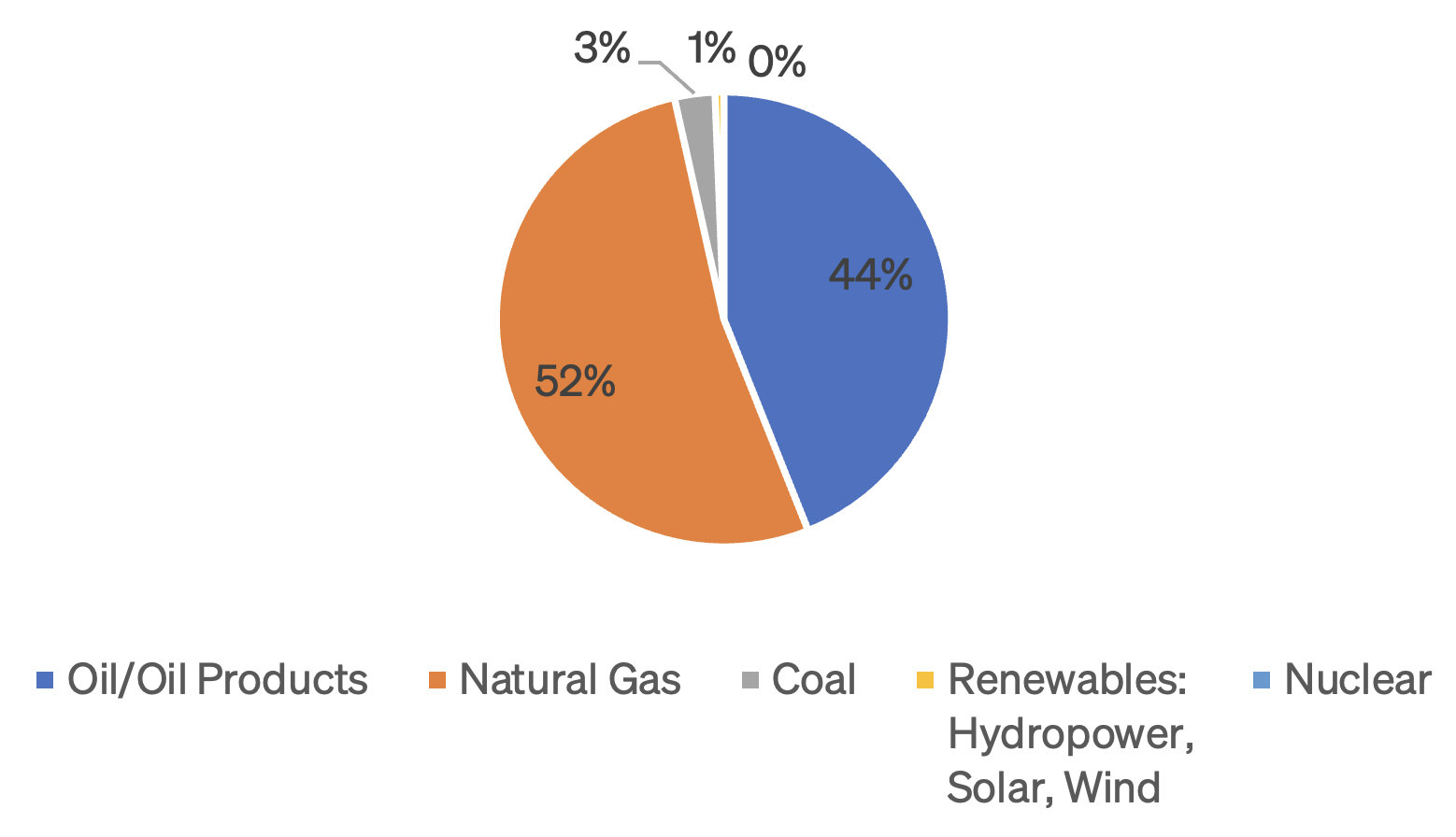
As a result of population increase and economic growth, energy consumption jumped from approximately 4.8 billion barrels of oil equivalent (BOE) in 2010 to approximately 5.5 billion BOE in 2021, with an average annual growth rate of approximately 2.0%.[9] If energy demand continues to grow at a rate of 2.0%, it is expected that the demand will reach about 7.3 billion barrels of oil equivalent by 2035. By the end of 2021, fossil fuels, particularly oil and gas, were most of the consumed energy types. As shown in Figure 1, renewable energy’s share was about 1.0% of which 0.95% was hydropower and 0.05% was solar and wind.[10] The use of nuclear energy is currently negligible, however, it is expected to make a considerable contribution to the MENA’s energy mix in the coming two decades.
Figure 1 — Energy Consumption Mix in Arab MENA Countries in 2021[11]
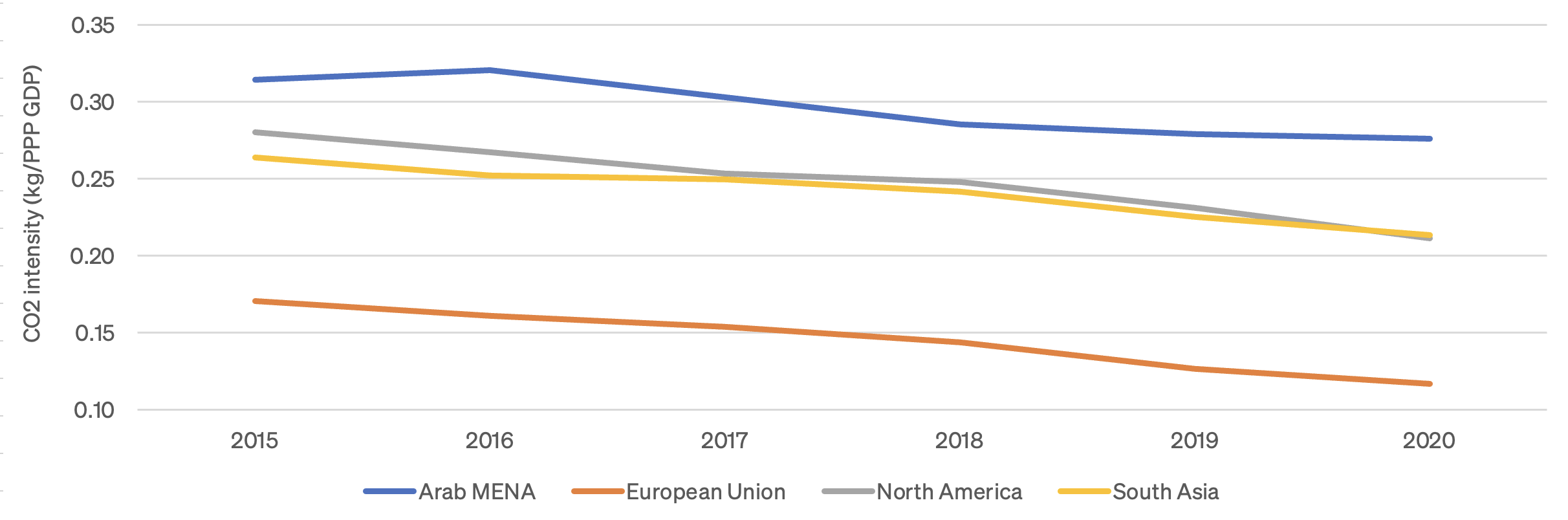
Compared to other regions of the world, MENA’s energy efficiency and carbon emissions performances are lagging (Figures 2A and 2B). Its average energy intensity — the amount of energy required to produce a unit of GDP — between 2015 and 2020 was 5.2 megajoules (MJ) per U.S. dollar GDP power purchase parity (PPP) compared to the European Union’s 3.1 MJ/$, North America’s 4.8 MJ/$, and South Asia’s 4.2 MJ/$.[12] The region’s average carbon intensity — CO2 emissions per unit of GDP — was 0.30 kg/$, compared to the EU’s 0.15 kg/$, North America’s 0.24 kg/$, and South Asia’s 0.25 kg/$.
Figure 2A — Energy Intensity[13]
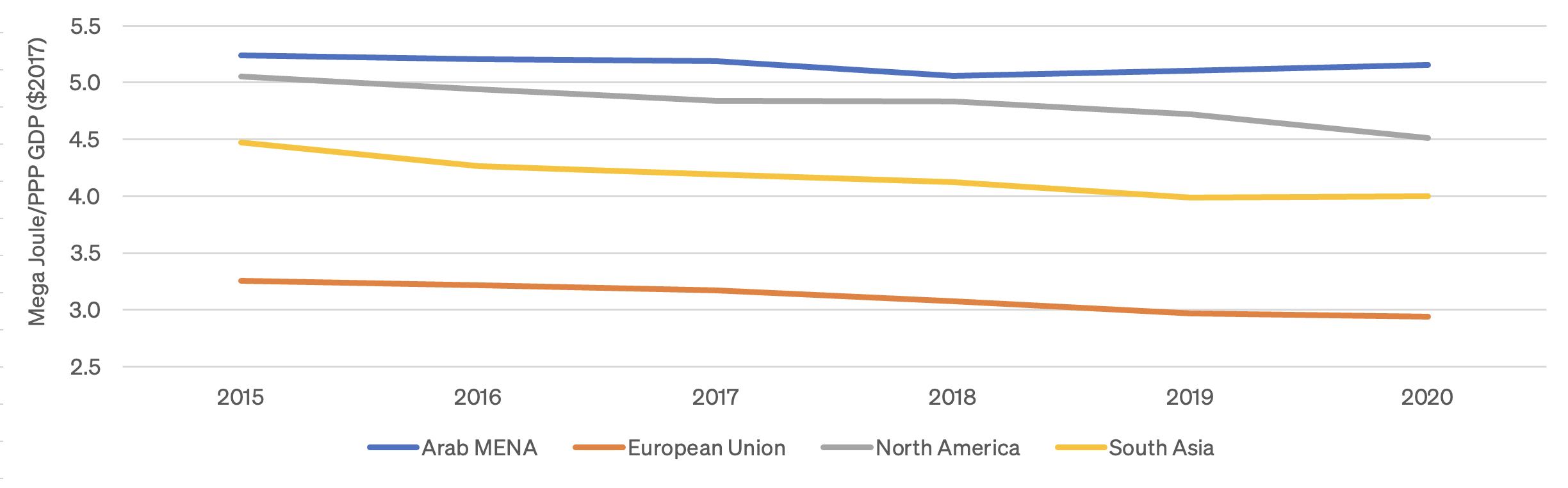
Figure 2B — Carbon Emission Intensity[14]
Pressure on Infrastructure
Due to significant population influxes, cities in the MENA region are facing mounting pressure on their infrastructure. The growing urban populations in MENA cities — driven principally by internal migration — are straining existing infrastructure, often leading to congestion, resource shortages, and degraded public services. This has intensified the need for expanded and improved transportation networks, water and sewage systems, energy supplies, and digital connectivity.
Environmental Issues
As populations swell and urban areas expand, the pressure on natural resources and ecosystems intensifies, resulting in several critical environmental challenges:
- Air pollution — The increase in vehicular traffic, industrial activities, and construction projects has led to a significant rise in air pollution and poses serious health risks to residents.
- Water scarcity — Increased urbanization has escalated the demand for water, exacerbating the already critical issue of water scarcity in the region.
- Waste management — Many cities struggle to handle the growing volumes of municipal solid waste, leading to inadequate waste disposal and illegal dumping, and creating significant environmental hazards.
- Heat island effect — The proliferation of concrete in expanding urban areas makes cities significantly warmer than their rural surroundings — increasing energy demand for cooling, straining power grids, and worsening air quality.
In the following sections, we explore the main challenges faced by those working toward an SSC goal.
Main Obstacles to SSC Development
The Human Element
The human element is the first focus of an SSC. Effective interaction between the human element and an SSC’s systems is fundamental to an individual’s ability to reap its benefits, so the level of literacy is a key factor.
Recently published data showed that the average rate of illiteracy across Arab countries is about 20% of the total population (Figure 3).[15] The number of illiterate individuals aged 15 and over in the region reached nearly 70 million in 2020 – 9% of the world’s total illiterate population of 763 million.[16] According to the Arab League of Educational, Cultural and Scientific Organisation (ALECSO), the number of illiterate people in Arab countries during the period 2018–22 grew from 68.6 to 76.6 million and ALECSO expects that figure will reach nearly 98.6 million by 2030.[17]
Given these statistics, countries seeking to develop SSCs face two major issues related to literacy:
- The inability of a considerable part of the population to use an SSC’s systems — for example, public electronic services, information technology, and digital communication.
- The social and security issues presented by the growing isolation of those who lack functional literacy.
Figure 3 — Illiteracy Rates in the 15-And-Over Age Group[18]
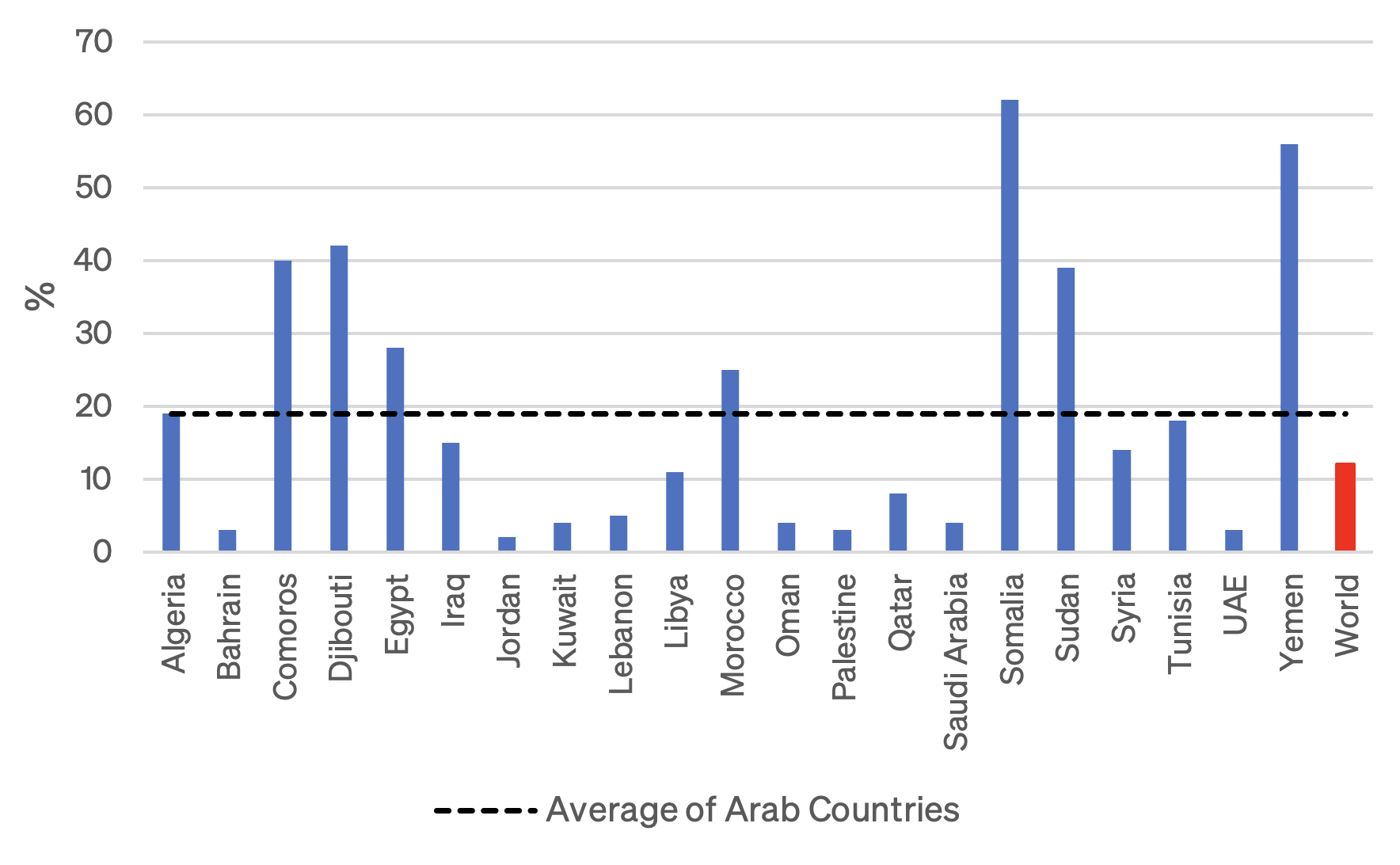
Note: These are figures from 2021.
Information and Communication Infrastructure
Infrastructure provides the framework for social and economic activities and development. An SSC needs efficient information and telecommunications systems infrastructure to effectively exploit and manage its many sectors — including energy, transport, health, education, buildings, and others. Suitable infrastructure enables effective oversight and plays integral roles in enabling communication, collaboration, decision-making, business operations, e-commerce, remote work, cybersecurity, digital economy and government.
Massive quantities of data are generated as a result of the day-to-day operations and activities of the increasing population, growing economy, rising resource consumption, and escalating environmental risks. For authorities seeking to regulate, administer, and operate urban areas — and for urban residents, as well — handling these vast amounts of information through conventional systems is inefficient and will eventually become obsolete. The need for SSCs to address these issues is clear.
The U.N. International Telecommunication Union (ITU) and the U.N. Statistics Division have developed an index — the Telecommunication Infrastructure Index (TII) — which measures a country’s information and communication technology (ICT) capacity.[19] It is a composite weighted average index of six primary indices based on the online population and these infrastructural indicators, based on numbers per 1,000 persons:
- Personal computers.
- Internet users.
- Telephone lines.
- Mobile phones.
- Televisions.
Figure 4 shows the TII of Arab MENA countries in 2022: More than half were at or below the world’s TII index averages (approximately 0.6). However, some countries, such as Oman, Qatar, Saudi Arabia, and UAE, had TII index figures comparable to those of developed nations, such as the European Union’s 0.89, Japan’s 0.91, and the U.S.’ 0.89: These countries, though few in number, have made real progress toward SSCs.
Figure 4 — Arab Countries’ Information and Communication Technology Capacity Index (TII)[20]
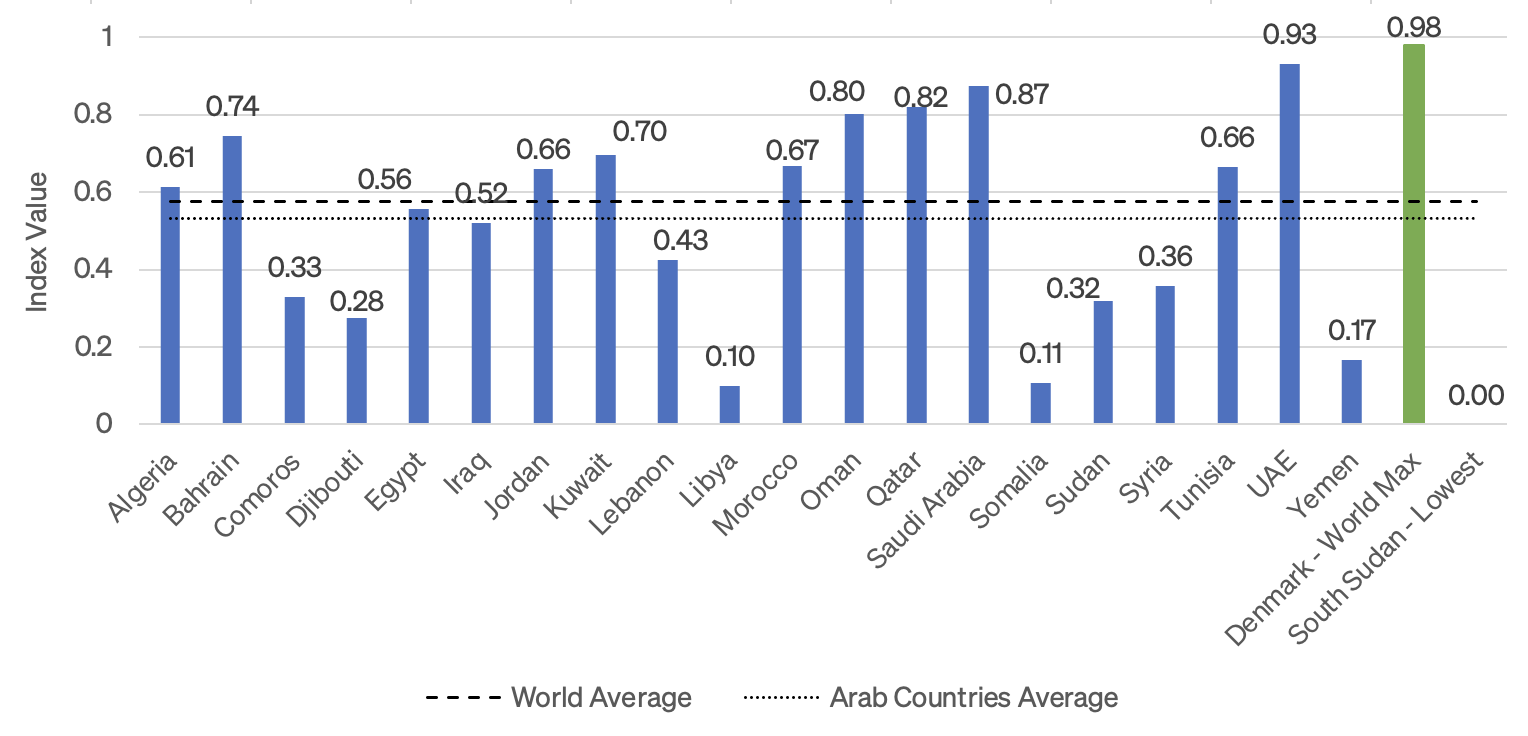
Note: These are 2022 figures.
Administration and Governance
An SSC requires a smart government that uses innovative policies, economic models, and technologies to provide financial and administrative services, and deal with the environmental problems facing its society. A smart government utilizes information systems and integrated communication networks to administer day-to-day operations, take proactive measures, and plan long-term strategies to achieve sustainable goals.
Hence, a functional and efficient electronic government (e-government, also known as e-gov) is an essential prerequisite for a smart government. According to the United Nations, the effectiveness of an e-government is based on the provision of services via the internet, the size of the communications infrastructure, and the availability of human capital.[21]
In a recent U.N. report, 195 the world’s e-governments were surveyed and ranked. The e-government index is based on the availability and quality of online services in addition to human capacity and telecommunication infrastructure.[22] Most of Arab e-governments were ranked 100 or higher — out of 195 countries — in 2022 (Figure 5). As expected, the quality of e-government is highly correlated with the human and infrastructure capacities.
It is worth noting, however, that a country’s economic well-being does not necessarily indicate better e-government, human factors, and ICT infrastructure. For example, Morocco, Tunisia, Algeria, and Jordan had lower GDP per capita than Iraq and Libya, however, their e-government, human, and infrastructure had better competency levels than Iraq and Libya. In 2022, the UAE’s and Qatar’s GDP per capita were $53,700 and $87,660, respectively, yet the UAE was ranked as having the world’s 13th best e-government while Qatar was ranked 78th.
Figure 5 — Arab Countries’ Electronic Governments Ranked by Human Capacity Factor and Information and Communication Technology Infrastructure[23]
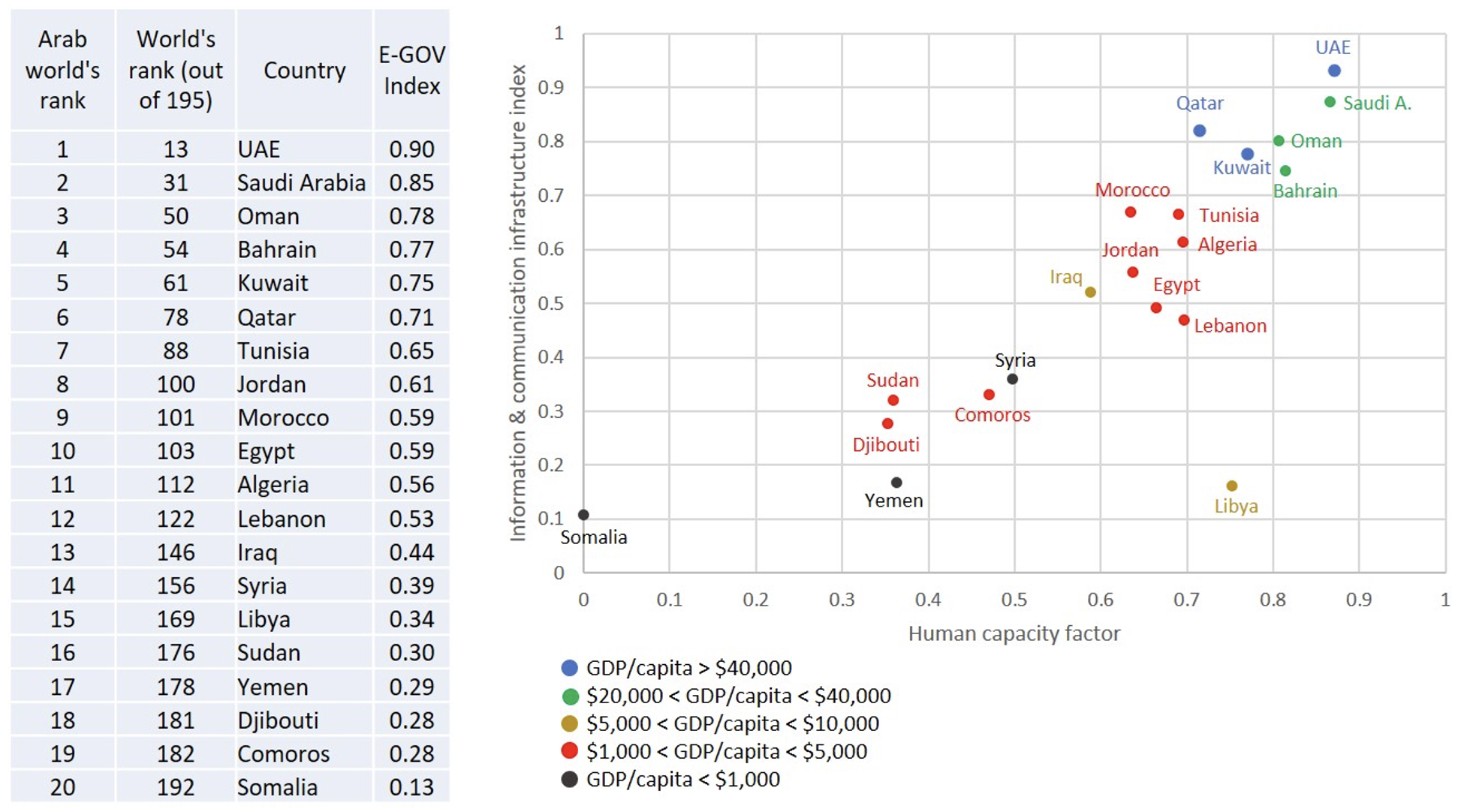
Note: Countries with scores closer to 1 (in the upper-right corner of the graph) are most likely to be successful in developing SSCs. These are 2022 figures.
Complex Effects of Conflict
The widespread ramifications of wars, civil conflicts, political turbulence, and tensions within and between certain Arab nations must also be considered, as they have significantly hindered their progress.
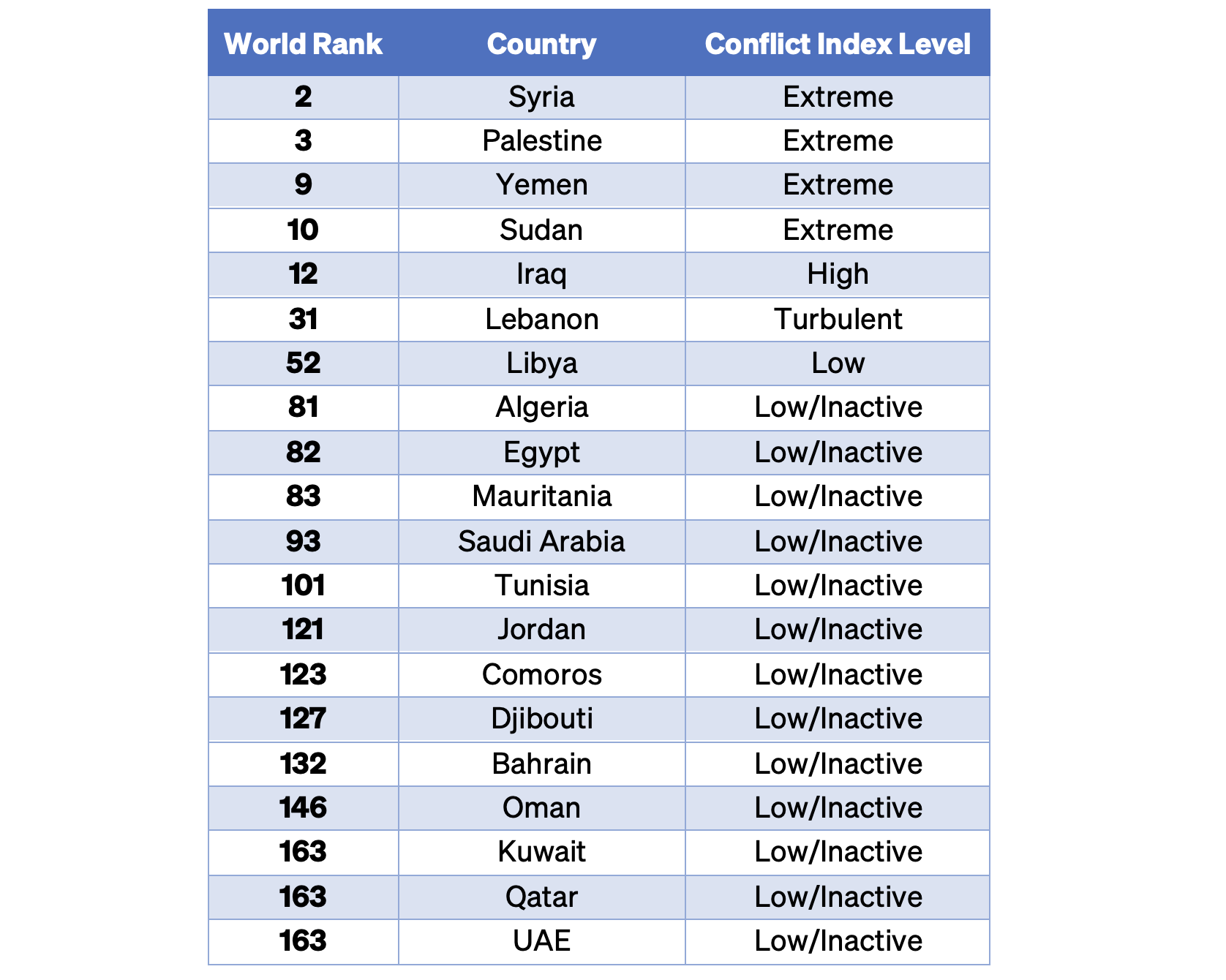
The Armed Conflict Location and Event Data Project (ACLED) has developed a conflict index — a collective average measure of four factors including fatalities, political violence, violence targeting civilians, and activities of armed, organized, active rebel and political militias. According to the ACLED index, as of the first quarter of 2024, six of 22 Arab countries ranked in the world’s worst 50 with conflict index levels of “extreme” and “high” (Table 1).[24]
Some Arab region conflicts have lasted several decades and are expected to continue into the foreseeable future. In regions with high levels of tension and conflicts, the development of SSCs is unlikely because conflicts:
- Disrupt economic activities.
- Drain a country’s resources.
- Drive away investments.
- Displace populations.
- Destroy infrastructure.
In these high-conflict areas, human capacity is the most impacted element and the most difficult to restore.
Table 1 — Conflict Level of Arab Countries[25]
Three Country Categories Based on Indicators
The indicators of human capacities, infrastructure, governance competencies, and levels of conflict vary significantly among the countries under study. Based on the notable differences observed in earlier sections, they can be categorized into three groups:
- Established — Bahrain, Kuwait, Oman, Qatar, Saudi Arabia, and UAE — This group has reached a state of development and political equilibrium enabling the development of SSCs. Its indices in human capacity, ICT infrastructure, and e-government are above 0.7, suggesting that SSCs already exist, or are being developed or in planning stages.
Most of the established Arab countries — in other words, Arab Gulf states — are hydrocarbon-based economies that have accumulated wealth and diplomatic power over time and are able to maintain their socioeconomic well-being. The development of SSCs in this group is an ongoing process as their urban areas expand.
- Challenged — Algeria, Egypt, Iraq, Jordan, Lebanon, Morocco, and Tunisia — These countries are working to balance their economic and social challenges, while seeking to fulfill the SSC prerequisites.
If they continue to rely on their business-as-usual systems and regulations in managing their urban areas, the countries in this group would experience increasing pressure on their resources and infrastructure. They have no option but to start working on their SSCs, giving priority to building human capacity. However, Iraq and Lebanon may be exceptions, as their political instabilities and conflict status militate against the development of SSCs.
- Stressed — Comoros, Djibouti, Libya, Somalia, Sudan, Syria, and Yemen — These countries are undergoing at least one of the following: conflict, political upheaval, or severe economic and social hardship. They are among the world’s vulnerable countries and, consequently, their priorities revolve around maintaining their basic living needs.
Due to their relatively poor economic and social position, the stressed countries are a long way from considering the development of SSCs. Libya and Syria are included in this group because of their acute political instability — otherwise, they could have been categorized as challenged.
Conclusions
Development of smart sustainable cities is closely linked to the interplay of human capacity, developed infrastructure, governance competencies, and political stability. Focus on the human element emerges as pivotal, with education levels and literacy rates serving as key determinants of successful SSC implementation. However, particularly in regions plagued by conflicts, political instability, and socioeconomic hardships, significant obstacles exist.
Arab countries in the MENA region can be categorized into three groups based on their readiness for SSC development: established, challenged, and stressed.
- The established group has the necessary resources and political stability to advance SSC initiatives.
- The challenged group faces a balancing act between addressing socioeconomic issues and laying the groundwork for advanced infrastructure and efficient governance.
- The stressed group grapples with severe economic and social hardships, hindering any meaningful progress toward SSC implementation.
Efforts to develop SSCs must prioritize building human capacity, particularly in regions where conflict and instability have eroded societal foundations. This entails investing in education, infrastructure, and governance structures to foster an environment conducive to sustainable urban development. Ultimately, the journey toward mart sustainable cities in Arab countries requires a multifaceted approach that addresses both immediate needs and long-term aspirations, with a keen understanding of each country’s unique challenges and opportunities.
Notes
[1] “What is a Smart City?,” Cisco, accessed April 5, 2024, https://www.cisco.com/c/en/us/solutions/industries/smart-connected-communities/what-is-a-smart-city.html.
[2] European Commission, “Smart Cities,” accessed April 5, 2024, https://commission.europa.eu/eu-regional-and-urban-development/topics/cities-and-urban-development/city-initiatives/smart-cities_en.
[3] “Smart City Korea,” Ministry of Land, Infrastructure, and Transport, accessed April 5, 2024, https://smartcity.go.kr/en/%ec%86%8c%ea%b0%9c/.
[4] “Smart Sustainable Cities,” The United Arab Emirates' Government portal, updated January 15, 2024, https://u.ae/en/about-the-uae/digital-uae/digital-cities/smart-sustainable-cities.
[5] “Smart Cities Programme,” United Nations Centre for Regional Development, accessed April 5, 2024, https://uncrd.un.org/content/sc.
[6] Honeywell and Ernst & Young LLP, Smart Buildings Make Smart Cities, white paper, June 2015, https://honeywellacs.my.salesforce-sites.com/resource/1448965010000/hsbs_Download_whitepaper.
[7] Andrei Boar, Ramon Bastida, and Frederic Marimon, “A Systematic Literature Review. Relationships between the Sharing Economy, Sustainability and Sustainable Development Goals,” Sustainability 12, no. 17, (August 2020): 6744, https://www.mdpi.com/2071-1050/12/17/6744.
[8] “Arab World,” World Bank, accessed April 7, 2024, https://data.worldbank.org/region/arab-world.
[9] A barrel of oil equivalent (BOE) is “a term used to summarize the amount of energy that is equivalent to the amount of energy found in a barrel of crude oil” (“Barrel of Oil Equivalent (BOE): Definition and How to Calculate,” Investopedia, accessed May 27, 2024, https://www.investopedia.com/terms/b/barrelofoilequivalent.asp). “OAPEC Databank System,” Organization of Arab Petroleum Exporting Countries OAPEC), accessed April 8, 2024, https://oapecorg.org/Home/DataBank.
[10] “OAPEC Databank System”; “Renewable Energy Statistics 2022,” International Renewable Energy Agency (IRENA), July 2022, https://www.irena.org/Publications/2022/Jul/Renewable-Energy-Statistics-2022.
[11] “OAPEC Databank System.”
[12] Purchasing power parity (PPP) refers to currency conversion rates that seek to equalize the purchasing power of different currencies: https://data.oecd.org/conversion/purchasing-power-parities-ppp.htm.
[13] “Energy Intensity Level of Primary Energy,” Data, The World Bank, accessed April 9, 2024, https://data.worldbank.org/. This page is similar to a databank: A user inputs inquiries and the site returns data in response.
[14] “Energy Intensity Level of Primary Energy.”
[15] “A person is illiterate who cannot with understanding both read and write a short simple statement on his everyday life” — definition from the 1978 UNESCO General Conference, quoted in Réka Vágvölgyi et al., “A Review about Functional Illiteracy: Definition, Cognitive, Linguistic, and Numerical Aspects,” Frontiers in Psychology 7, art. 1617 (November 2016), https://doi.org/10.3389/fpsyg.2016.01617; United Nations International Children's Emergency Fund (UNICEF), “Learning and Skills,” last updated June 2022, https://data.unicef.org/topic/education/learning-and-skills/.
[16] Tarik Bin Youssef, Illiteracy in the Arab Countries: Current Status and Future Estimates by 2030, Arab League of Educational, Cultural and Scientific Organisation (ALECSO), Statistical Bulletin 9-2023, March 2023, https://observatory.alecso.org/Data/wp-content/uploads/2023/07/Bulletin%209%20(Ang).pdf.
[17] Youssef.
[18] “Learning and Skills”; Youssef.
[19] United Nations Department of Economic and Social Affairs (UN DESA), E-Government Survey 2022: The Future of Digital Government, September 2022, https://desapublications.un.org/publications/un-e-government-survey-2022.
[20] E-Government Survey 2022.
[21] E-Government Survey 2022.
[22] E-Government Survey 2022.
[23] E-Government Survey 2022.
[24] “Data Export Tool,” Armed Conflict Location & Event Data Project (ACLED), accessed April 12, 2024, https://acleddata.com/data-export-tool/.
[25] “Data Export Tool.”
This material may be quoted or reproduced without prior permission, provided appropriate credit is given to the author and Rice University’s Baker Institute for Public Policy. The views expressed herein are those of the individual author(s), and do not necessarily represent the views of Rice University’s Baker Institute for Public Policy.

