


To access the full paper, download the PDF on the left-hand sidebar.
Introduction
As governments across the United States are scaling down the war on drugs, many states and localities are simultaneously turning to law enforcement and criminal sanctions to combat the latest drug threat—designer substances. Designer drugs, or novel psychoactive substances, are manufactured to mimic the effects of other illicit drugs such as marijuana, ecstasy, and opioids, but are considerably more dangerous.
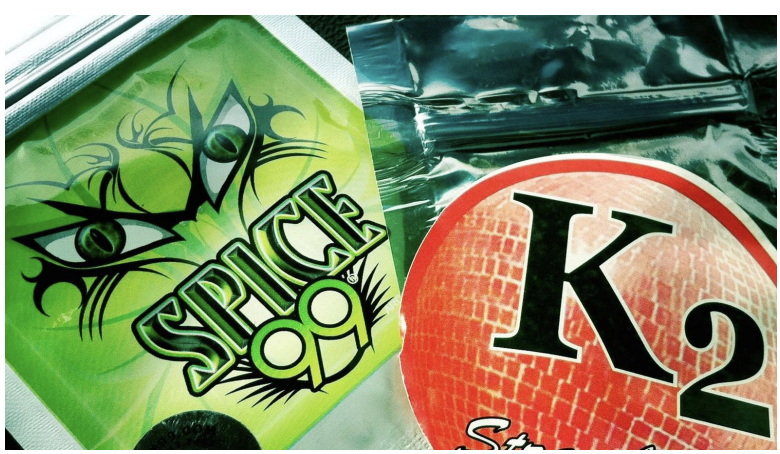
The latest drugs to cause alarm are synthetic cannabinoids (SynCans). Cities across the country are reporting upticks in SynCan-related emergency department visits and increases in violent encounters between first responders and individuals under the influence of SynCans. Marketed as “legal weed,” SynCans are not marijuana. Known by a variety of names including kush, K2, and spice and often sold in colorful packaging, SynCans are manufactured chemical compounds that are usually sprayed on plant material to be smoked, but they are also available in liquid form (Image 1). They are theoretically supposed to behave like THC, the primary psychoactive element in cannabis, but in reality they tend to have a much broader and more intense array of side effects than natural cannabis.1
Image 1 — Examples of SynCan Packaging
Because the popularity of SynCans is relatively new, reliable data on use rates and health effects are not yet available. But anecdotal accounts indicate a rise in use, especially in urban areas and among the poor, the homeless, and adolescents. The dangerous and sometimes fatal side effects of extreme instances of SynCan use, including seizures, brain damage, and death, have prompted the U.S. government, all 50 states, and many localities to enact bans on SynCans.
While these knee-jerk reactions may be understandable, it is unclear whether such an approach will reduce SynCan use in any way. Decades of evidence from the war on drugs indicate that prohibition and criminal penalties do little to deter people from using or selling drugs. Instead of going down this path again, governments would be better served by treating SynCans as a public health issue, focusing on increasing awareness of the risks associated with SynCan use and minimizing the harms caused by SynCan use by emphasizing treatment and prevention.
A rise in SynCan use in the city of Houston has burdened first responders and, due to some very public overdoses, caused a public outcry. So far, the city’s response has emphasized utilizing law enforcement to target SynCan sellers and, more often, SynCan users. While trying to reduce the SynCan supply in Houston may be a legitimate use of city resources, arresting people for SynCan use arguably wastes manpower and taxpayer money while failing to improve public safety or lower use rates.
This report reviews the current state of SynCan use and some of the factors that have led to the popularity of these designer drugs. It then examines the extent of the SynCan problem in Houston and the city’s response to date. It concludes by urging the city to adopt a public health-based approach to SynCan use and offering several related policy recommendations.
This material may be quoted or reproduced without prior permission, provided appropriate credit is given to the author and Rice University’s Baker Institute for Public Policy. The views expressed herein are those of the individual author(s), and do not necessarily represent the views of Rice University’s Baker Institute for Public Policy.


